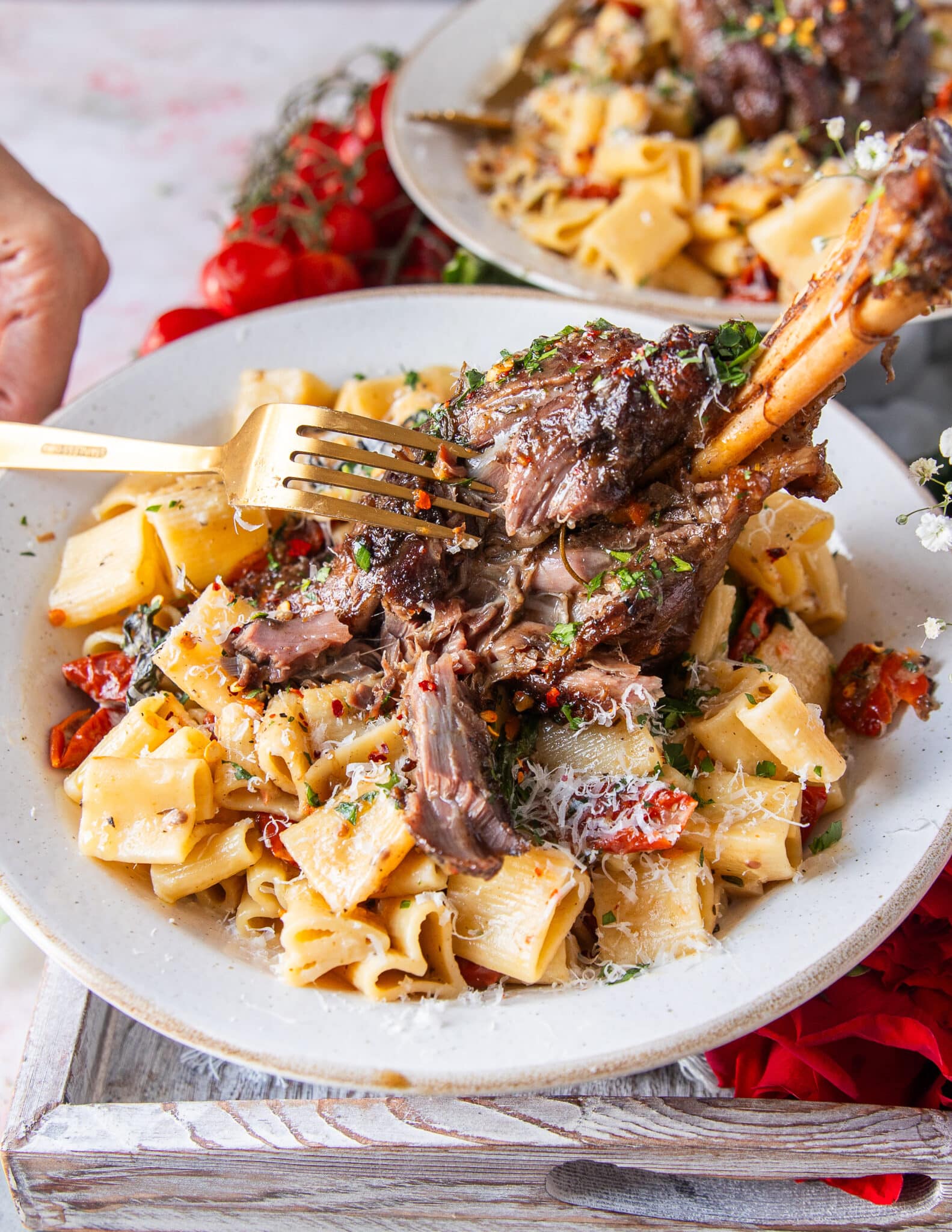
Mastering Slow Cooked Lamb Shanks: Oven, Slow Cooker & Flavor Secrets
There’s a culinary magic that happens when humble lamb shanks are subjected to the gentle embrace of low, slow heat. The result is nothing short of extraordinary: meat that’s unbelievably tender, profoundly flavorful, and literally falls off the bone with the slightest nudge. This classic preparation transforms a tough cut into a luxurious, comforting dish perfect for special occasions or a cozy weekend indulgence. If you’ve ever yearned for that heartwarming, deeply savory meal that feels like a hug in a bowl, then embarking on the journey of mastering slow cooked lamb shanks is an absolute must. This isn't just about a recipe; it's about understanding the alchemy behind transforming a seemingly unyielding cut into a succulent masterpiece. Whether you prefer the steady warmth of your oven or the convenient set-it-and-forget-it nature of a slow cooker, achieving fall-off-the-bone lamb shanks is remarkably straightforward and incredibly forgiving.The Science of Succulence: Why Lamb Shanks Are Perfect for Slow Cooking
At first glance, lamb shanks – the lower part of the lamb’s leg – might seem like a challenging cut. They are known for their robust structure, packed with connective tissue, muscle fibers, and collagen. However, it's precisely these characteristics that make them the undisputed "king of lamb cuts" for slow cooking. Here's why they thrive in a low-and-slow environment:- Collagen Transformation: The extensive connective tissue and collagen present in lamb shanks are the secret to their eventual tenderness. When exposed to prolonged, low heat, this collagen gradually breaks down and melts into rich, silky gelatin. This gelatin not only binds moisture within the meat but also contributes to the luscious, mouthfeel of the braising liquid, creating a velvety sauce.
- Marrow Magic: Nestled within the bone of the shank is marrow, a culinary treasure that infuses the entire dish with a deep, complex, and luxurious flavor. As the shanks slowly cook, the marrow renders, enriching the braising liquid and imparting an unparalleled depth that simply cannot be achieved with boneless cuts. Cooking meat on the bone, whether it's lamb shanks, beef short ribs, or osso buco, consistently yields superior flavor and succulence.
- Moisture Retention: Unlike leaner cuts that can dry out quickly, the inherent structure and fat marbling of lamb shanks, combined with the slow cooking process and a flavorful braising liquid, ensures the meat remains incredibly moist and juicy. You truly cannot "overcook" lamb shanks in the traditional sense; an hour too long will only enhance their succulence, making the meat even more inclined to effortlessly slide from the bone.
Choosing Your Vessel: Oven vs. Slow Cooker for Fall-Off-The-Bone Perfection
One of the great advantages of preparing slow cooked lamb shanks is the flexibility in cooking methods. Both the oven and a dedicated slow cooker can deliver spectacular results, each with its own benefits.Oven-Braised Lamb Shanks
Cooking lamb shanks in the oven, typically in a heavy-bottomed Dutch oven or a similar lidded braiser, offers several advantages:
- Superior Browning: The even, all-around heat of an oven often allows for better caramelization on the shanks and vegetables during the initial searing phase, building a richer flavor base for your sauce.
- Consistent Heat: Ovens provide a stable and consistent temperature, which is ideal for the long, low-heat braising required.
- Sauce Reduction: Towards the end of cooking, you can often remove the lid to allow the sauce to reduce and thicken slightly, concentrating its flavors beautifully.
Method: After searing and building your braising liquid on the stovetop, simply cover the Dutch oven tightly and transfer it to a preheated oven (usually around 300-325°F or 150-160°C) for 2.5 to 4 hours, or until fork-tender. The exact time depends on the size of your shanks and your oven's calibration.
Slow Cooker Lamb Shanks
The slow cooker is the ultimate "set-it-and-forget-it" tool, making it perfect for busy schedules:
- Convenience: Once assembled, the slow cooker requires minimal oversight, freeing you up to attend to other tasks.
- Energy Efficiency: Slow cookers typically use less energy than an oven for extended cooking periods.
- Moisture Retention: The tightly sealed lid of a slow cooker excels at trapping moisture, ensuring your lamb shanks remain incredibly juicy.
Method: You'll still want to sear your shanks on the stovetop first – don't skip this crucial step for flavor! Then, transfer them to your slow cooker, add your aromatics and braising liquid, and cook on low for 6-8 hours or on high for 3-4 hours, or until the meat is falling off the bone. While slow cookers can make amazing dishes, remember that they don't caramelize as intensely as an oven or stovetop, so that initial sear is even more vital here. For a foolproof guide, check out Slow Cooked Lamb Shanks: Foolproof Fall-Off-The-Bone Perfection.
Flavor Secrets: Building a Restaurant-Quality Dish
While the slow cooking process does most of the heavy lifting, a few key techniques and ingredients elevate slow cooked lamb shanks from good to truly unforgettable.The Non-Negotiable Step: Searing
If there's one golden rule for slow-cooked meats, it's this: brown the meat generously before braising. This step is non-negotiable. Pat your lamb shanks dry thoroughly with paper towels, then season them liberally with salt and pepper. Heat a neutral oil (like canola or grapeseed) in your heavy-bottomed pot or Dutch oven until shimmering. Sear the shanks on all sides until they develop a rich, deep golden-brown crust. This process, known as the Maillard reaction, creates hundreds of new flavor compounds that will form the fundamental base of your sauce. It’s hard to brown shanks perfectly due to their irregular shape, but do your best to get as much surface area as possible – including the ends!
Crafting the Perfect Braising Liquid
Once the shanks are seared, the next layer of flavor comes from your braising liquid and aromatics:
- Aromatics: A classic mirepoix (diced onions, carrots, and celery) sautéed until softened and lightly browned provides a sweet, savory foundation. Garlic and a touch of tomato paste cooked until fragrant also add significant depth.
- Wine: A dry red wine (like Cabernet Sauvignon, Merlot, or Pinot Noir) is a classic choice, deglazing the pan and contributing tannic complexity. Let it reduce significantly to cook off the alcohol and concentrate its flavor.
- Stock: High-quality beef or lamb stock is essential for building a rich sauce. Homemade is best, but a good store-bought option works well. Ensure enough liquid is added to mostly submerge the shanks, but not completely cover them.
- Herbs & Spices: Fresh rosemary and thyme sprigs, bay leaves, and even a touch of juniper berries or star anise can add a beautiful aromatic dimension.
Sourcing Quality Lamb
The quality of your ingredients undeniably impacts the final dish. When buying lamb shanks, make an effort to source American lamb. Not only is it renowned for its freshness and superior flavor, but choosing American lamb directly supports local ranchers who are dedicated to raising high-quality, ethically produced meat. Don't hesitate to ask your butcher about the origin of their lamb – it makes a difference!
Serving Suggestions & The Ultimate Comfort Meal
Once your slow cooked lamb shanks are fork-tender and glistening in their rich sauce, it's time to complete the culinary experience. This dish practically begs for starchy accompaniments to soak up every drop of that incredible sauce. Consider serving them over:- Creamy mashed potatoes (a timeless classic)
- Soft polenta or grits
- Pappardelle or wide egg noodles
- Fluffy couscous or risotto
